
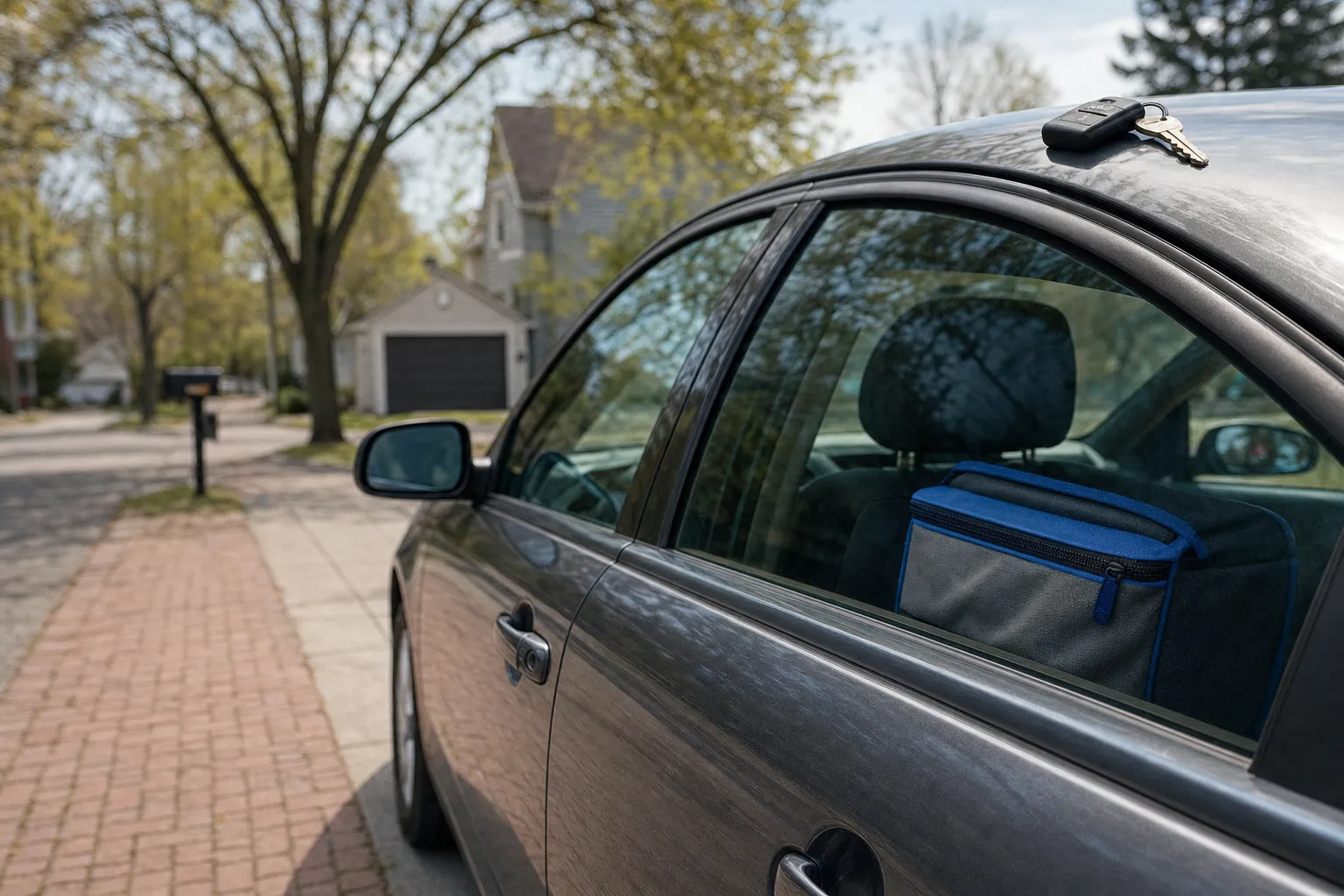
The most common mistakes drivers make with high security keys are assuming any key blank or online cutter will work, and trying to skip professional programming. At Peace Locksmith Services LLC, Auto Locksmith says high security keys require authorized blanks, code controlled cutting, and precise transponder or immobilizer programming, and missteps can leave a spare that does not start the car or that reduces vehicle security.
What we mean by high security keys
High security keys are vehicle keys built to resist unauthorized duplication and tampering. They often use restricted keyways, manufacturer controlled blanks, complex milling patterns, or embedded transponder chips that talk to the car’s immobilizer. These keys are different from simple metal duplicates because the blank and cutting method are controlled to reduce theft and casual copying. For a general definition of locksmithing terms, see the locksmith entry on Wikipedia for background information.
Because high security keys combine physical and electronic protections, replacing or duplicating them is a two part job: the blank must be the correct, authorized profile, and any transponder or fob must be programmed to the vehicle’s system. Skipping either step can produce a key that looks correct but will not start the car or will bypass security in unexpected ways.
Why these keys matter for Bath and Lansing area drivers
Drivers around Bath, Lansing, East Lansing, and nearby communities rely on modern security systems in most late model cars. High security keys protect vehicles against casual theft and unauthorized duplication, and they matter for fleet vehicles, rideshare drivers, teen drivers, and anyone who wants a reliable spare. The mobile nature of our service means we bring programming equipment and properly cut blanks to your location, reducing downtime for stranded drivers or busy customers.
Common mistakes we see, and how they cause problems
- Buying generic blanks online without verifying the profile. Generic blanks may fit the exterior profile but will not match a restricted keyway or code controlled pattern, creating a nonfunctioning spare.
- Assuming any locksmith can cut a restricted key. Some restricted or manufacturer only keys require authorized blanks or access to coded key systems that only trained technicians and certain suppliers can handle.
- Separating cutting and programming. Having one shop cut the blade and another handle transponder programming risks mismatched parts and wasted trips.
- Trying to duplicate without proper proof of ownership. Reputable professionals follow vehicle ownership checks for security and legal reasons, so skipping this step leads to delays or refusal to service the job.
- Overlooking fob differences. Push to start systems, proximity fobs, and remote keyless entry modules have different programming requirements than standard transponder keys, and a wrong assumption about the fob can cost time and money.
- Assuming the dealer is the only option. Dealers can handle manufacturer restricted keys, but many mobile locksmiths can legally and safely cut and program high security keys at lower cost and with faster response when they have the right tools and authorized blanks.
How to avoid these mistakes when you need a high security key
We do not recommend trying to program or machine high security keys yourself. Instead, follow this decision checklist so you know what to expect and how to compare options.
Before you call a locksmith
- Check what you have. Is your key a metal blade with a chip, a push to start fob, or a dealer only coded key? Photos can help the technician prepare.
- Locate proof of ownership. Most professionals will ask for registration or title to confirm you are authorized to receive a new key.
- Know your vehicle details. Year, make, model and VIN speed up programming and equipment selection.
- Step 1. Identify whether the key is restricted or code controlled. We inspect the key profile and, when available, the vehicle code to confirm whether an authorized blank is required.
- Step 2. Confirm programming needs. We check whether the key needs transponder programming, fob cloning, or module syncing, and whether the work can be done on site.
- Step 3. Arrange mobile service or shop work. For on road, residential, or workplace calls we bring the correct blanks and programming equipment when possible. Some manufacturer restricted systems may still require dealer involvement, and we will explain that up front.
Watch out: Some online vendors sell blanks or key modules that look right but will not work with your vehicle’s immobilizer, or that violate manufacturer distribution rules. Using the wrong part can leave you with a key that opens the door but does not start the engine, or that compromises vehicle security. Always verify compatibility before purchasing parts online.
Choosing a professional for high security key work
When you select a technician, consider training, equipment, and local knowledge. A qualified mobile car locksmith should offer:
- Experience with transponder key programming and push to start systems across many makes and models.
- Access to authorized key blanks or verified aftermarket options when compatible.
- Tools and diagnostic gear for on site programming so you do not need a tow.
- Clear explanation of when a dealer is genuinely required versus when mobile service suffices.
At Peace Locksmith Services LLC has over 15 years of experience working on car keys and transponder programming. Our technicians work on most makes and models and bring mobile programming equipment to roadside and residential calls across Lansing, East Lansing, Okemos, Holt, Mason and Grand Ledge.
What the work typically involves and the tradeoffs
High security key replacement is a tradeoff between convenience, compliance with manufacturer restrictions, and cost. Typical considerations include:
- Authorized blanks can be more expensive but reduce the risk of duplication by unauthorized parties.
- Dealer only systems may require OEM tools and credentials, adding time and a potential dealer visit.
- Mobile programming saves time, but some vehicles need bench programming with dealership level tools.
We will explain options for your vehicle and why we recommend one approach over another, so you can weigh speed against manufacturer compliance and long term security.
Pro tip: Take a spare key inside the house and a labeled photo of your vehicle identification number. That photo and a clear image of your existing key head help the technician prepare the correct blank and programming procedure before arriving.
Red flags and scams to avoid
In our area, common red flags include unusually low quotes without a written description of parts, technicians who refuse to verify ownership, and offers to cut a restricted blank without showing proof of source. For general consumer protection guidance in Michigan, review recommendations from the Michigan Attorney General’s consumer protection pages.
Related topics and further reading
For background on different key types, see our Car Key Types topic page. To review the specific car locksmith services we offer, see our Car Locksmith service page. For a quick view of where we operate and how we handle mobile calls, see our Locations hub which lists Lansing and surrounding communities.
Professional standards and training resources are available from the Associated Locksmiths of America for locksmiths and the public. For general industry definitions and history, the locksmith entry on Wikipedia is a useful starting point.
Key takeaway
High security keys combine controlled physical blanks and electronic programming, and the most common mistakes come from treating them like ordinary duplicates. Use a qualified mobile car locksmith who can verify the blank, handle transponder programming, and explain when dealer involvement is necessary. That approach protects security and reduces the chance of a nonworking spare.
Frequently asked questions
What makes a key a high security key?
High security keys use restricted keyways, manufacturer authorized blanks, complex milling patterns, or embedded transponder chips that authenticate to a vehicle’s immobilizer. These features make casual duplication more difficult.
Can a mobile locksmith replace my high security key on site?
Often yes. Many modern transponder and fob systems can be programmed in the field if the technician has the correct equipment and authorized blanks. For certain manufacturer restricted systems, dealer tools may still be required. We will assess your vehicle and explain the right path.
Is it safe to buy a replacement key blank online?
Buying blanks online can be fine for non restricted keys, but restricted profiles and authorized OEM blanks may not be available or may be counterfeit. If you plan to buy online, confirm compatibility and return policies, and expect a professional to verify the blank before cutting or programming.
What proof of ownership will a locksmith ask for?
Technicians typically ask for vehicle registration, title, or a photo showing you with the vehicle. This is a security step to prevent unauthorized key duplication and to comply with industry norms.
How long does programming a high security key usually take?
Timing varies by vehicle and system. Many on site replacements take under an hour once the technician has the correct blank and programming equipment, but dealer required procedures or module replacements can add time.
Why would the dealer be necessary for some keys?
Some manufacturers restrict key blanks and programming access to dealer networks for security reasons. When a key is manufacturer restricted, the dealer may need to supply the blank or use proprietary tools to enroll the key.
Learn more and check our local profile
Read our High Security Keys topic page for deeper background and examples, or review our Car Locksmith service page to see how we handle mobile key replacement. You can also view the Locations hub to confirm areas we serve around Lansing and Bath.