
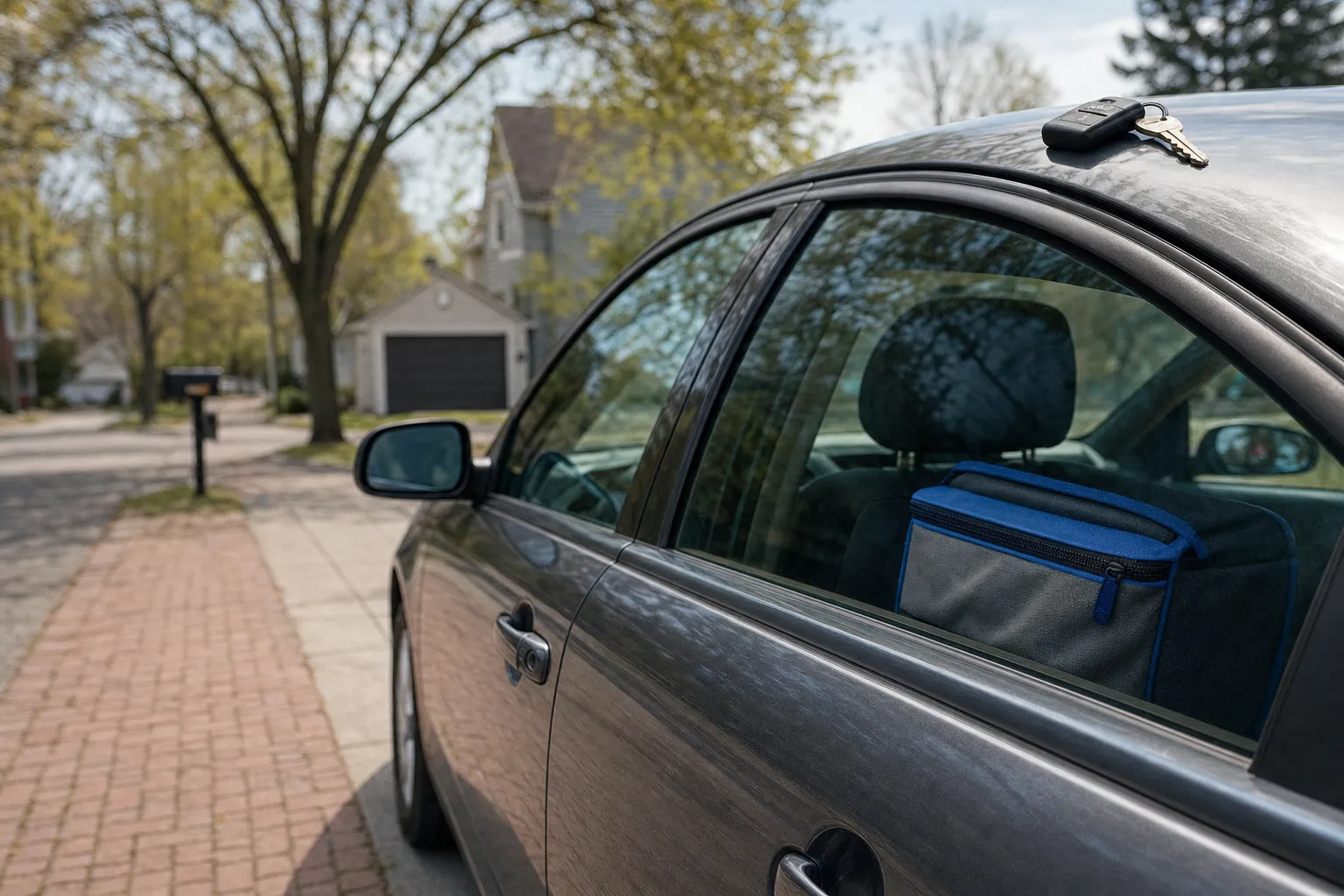
Most key fob problems are not just a dead battery. Key fob troubleshooting is often complex because modern remotes rely on three systems at once: the fob hardware, the vehicle antenna and receiver, and secure programming in the vehicle computer. We describe the likely causes, safe checks you can make, and how we approach troubleshooting when we serve Bath, Michigan.
How we answer a key fob problem, in one sentence
We check the battery and signal first, then verify programming and vehicle receiver health, and only then recommend replacement or reprogramming. That sequence avoids wasted parts, unnecessary dealer trips, and delays getting you back on the road.
Why troubleshooting key fobs feels more complicated than expected
Key fobs are small, but they combine radio transmitters, batteries, buttons, and often encrypted transponder chips. Problems can look identical at the car, yet come from different places. A fob that does not unlock doors could have a weak battery, broken internal contacts, corrupt programming, a failed receiver module in the car, or radio interference from nearby devices.
Because multiple systems interact, a single test rarely proves the real cause. We work methodically to isolate the fault so we fix the right thing the first time.
Common causes of key fob failure
1. Battery and contact problems
A weak battery is the simplest failure, but corroded or misaligned battery contacts, or the wrong cell size, can produce intermittent symptoms. If the buttons feel spongy or the case is loose, internal contacts may not close reliably.
2. Programming and encryption issues
Many modern vehicles use rolling codes or encrypted pairing between the fob and the vehicle computer. If a fob loses sync, or if the vehicle battery was disconnected during key learning, the remote can stop communicating even though the fob transmits.
3. Vehicle receiver faults
The car has antennae and modules that receive the fob signal. A failed receiver, damaged antenna wire, blown fuse, or module software fault can mimic a dead fob. That is why we check the vehicle side as well as the remote.
4. Interference and shielding
Nearby radio sources, poorly shielded aftermarket equipment, or metal cases can block or distort the fob signal. Interference can make a fob work at one location and not at another.
5. Physical damage and water intrusion
Dropped fobs, crushed cases, or water exposure can damage buttons, circuit boards or the antenna trace. Damage may not be visible from the outside, but it changes how the fob transmits.
6. Battery powered push to start systems and low vehicle battery
Push to start systems rely on a low power signal from the fob and a healthy vehicle auxiliary battery to wake the receiver. A weak car battery or a fault in the start system can look like a fob problem.
What we check first, and why that order matters
- Visual and simple tests. We inspect the fob case, buttons and battery compartment, and try a fresh known good battery. That rules out the low cost fixes.
- Signal and button tests. We test button response and use diagnostic tools to confirm the fob is transmitting a signal at the expected frequency.
- Vehicle side diagnostics. We check fuses, receiver modules and the vehicle computer for fault codes that indicate a receiver or module failure.
- Programming verification. If the fob transmits and the vehicle receiver is healthy, we verify pairing information and reprogram if needed.
- Replacement or repair decision. Based on the above, we recommend battery replacement, fob repair, reflash or reprogramming, or full replacement if the board is damaged.
Safe checks you can do before we arrive
Do not open a sealed transponder module or try soldering the board. Safe, low risk checks include:
- Try a fresh battery of the correct size and orientation.
- Stand close to the driver door and try the fob with a second person inside the vehicle pressing the lock or unlock button to rule out range problems.
- Try any spare keys or remotes you have, and note if they behave the same way.
- Check for obvious water damage or a cracked case.
Watch out: Do not pry open the circuit board or use conductive glue. Those actions can destroy the board and make replacement the only option.
When programming is required
Programming or reprogramming is needed when the fob transmits but is not recognized by the vehicle. This occurs with transponder keys, rolling code remotes, and many push to start fobs. Programming involves using vehicle specific tools and access to the correct software or procedures. For many vehicles, we can perform programming on site with our mobile equipment.
Programming can be more complex if a vehicle requires dealer level tools or has been subject to aftermarket modifications. We evaluate whether on site programming is possible, and whether a replacement fob will require key cutting and transponder cloning in addition to programming.
When the vehicle is the problem
We often find the issue is not the remote but the vehicle receiver. Symptoms that suggest a vehicle side fault include multiple remotes failing at once, or a fob that works only when placed against a specific part of the car. In those cases we inspect fuses, antenna wiring, and receiver modules. If the vehicle has stored fault codes that point to a receiver or body control module, those details shape the right fix.
What to expect when we troubleshoot your fob in Bath Michigan
When our mobile team comes to a roadside location in Bath, Michigan or nearby, we follow a predictable diagnostic process so you know what each step costs and why. We identify the fault, report findings, and explain the options to repair, reprogram, or replace. If the remote can be repaired or reprogrammed on site, we do that. If not, we provide the next best option and explain why it is required.
Pro tip: If you have a spare remote or a dealer key, bring it to the vehicle when we arrive. Spare units make it faster to determine whether the issue is the fob or the car.
Checklist to have ready before we arrive
What helps us diagnose faster
- Vehicle make, model and year, and the VIN if you have it.
- Any spare keys or remotes.
- Where the vehicle is parked and a safe place for us to work.
- A brief description of recent events, such as battery replacement, recent service, or a dropped fob.
Common misconceptions about key fobs
- Misconception: A new battery always fixes the problem. Reality: A new battery helps often, but not when the circuit board, antenna or vehicle receiver is at fault.
- Misconception: All fobs are user programmable. Reality: Some fobs require manufacturer or dealer level programming tools.
- Misconception: The dealer is always required for programming. Reality: Many vehicles can be programmed by a professional locksmith with the right tools, which can avoid dealership delays.
Tradeoffs to consider when repairing or replacing a fob
Repairing a damaged circuit board is usually cheaper than full replacement, but not always possible if the trace or chip is ruined. Buying a new aftermarket fob can save money, but compatibility and programming restrictions may make an original equipment fob a better long term choice. We explain the tradeoffs for your make and model so you can decide.
How we work with related services
If the problem is a broken key or an ignition fault, we coordinate with our related services such as our Broken Key Extraction and vehicle locksmith work. For lost keys that need a complete replacement, our Key Fob Replacement service ties directly into programming and key cutting when required. For emergency situations on the road in Bath, we mobilize our team like we do for our Car Lockout Service.
When to involve the dealer
Some late model vehicles or high security keys require factory tools or access to encrypted PIN codes that only the manufacturer or dealer hold. In those cases we will explain the limitation and, when possible, coordinate with the dealer to minimize inconvenience. Our goal is always to save you time and expense when a locksmith solution exists.
Local factors in Bath Michigan that change troubleshooting
Bath and the surrounding areas have a mix of older and newer vehicles. Older models often have simpler remotes and easier on site fixes. Newer vehicles have more complex encryption and body control systems. Roadside conditions also matter. In residential areas we can usually work quickly. On highways or busy roads we focus first on safety and then on diagnostics.
Standards and background reading
For a technical background on remote keyless systems, see the general overview on Wikipedia for remote keyless systems. Manufacturer owner manuals provide vehicle specific guidance on battery replacement and fob handling, and we consult those references when a vehicle has unusual requirements.
Key takeaway
Key fob troubleshooting requires a methodical approach that checks battery, signal, vehicle receiver and programming, in that order. We bring mobile diagnostic tools and experience across many makes and models to isolate the fault and recommend the best repair or replacement for drivers in Bath, Michigan.
Frequently asked questions
Why did my key fob stop working after I replaced the car battery?
When the vehicle battery is disconnected, some cars lose the learned relationship with remotes or the body control module may need to reinitialize. We check both the fob and the vehicle receiver and, if necessary, reprogram the remote to the car computer.
Can I reuse the circuit board from my old fob in a new shell?
Often yes, if the circuit board and transponder are intact. If the board is damaged or the transponder is compromised, a new fob or board may be required. We inspect the board before recommending replacement or transfer to a new shell.
Is dealer programming always required for modern key fobs?
No. Many vehicles can be serviced by a professional locksmith with the right equipment. However, some manufacturers restrict programming, and for those models we will explain why the dealer may be needed.
What should I do if my push to start fob works intermittently?
Intermittent operation can indicate a weak fob battery, poor contact inside the fob, a weak vehicle battery, or interference. Start with a fresh battery and check for visible damage. If the issue continues, we run diagnostics on both the fob and the vehicle receiver.
How long does on site programming or replacement usually take?
Time depends on the fault. A battery change or simple reprogram can take 15 to 45 minutes. More complex diagnostics, module replacement, or ordering a specific fob may take longer. We give an estimated time after the initial inspection.
Find our Google Business Profile for directions and reviews
Read customer reviews and get directions through our Google Business Profile to learn more about our mobile car locksmith work in Bath, Michigan and the Lansing area. You can also learn more about our services and coverage on our service and location pages.