
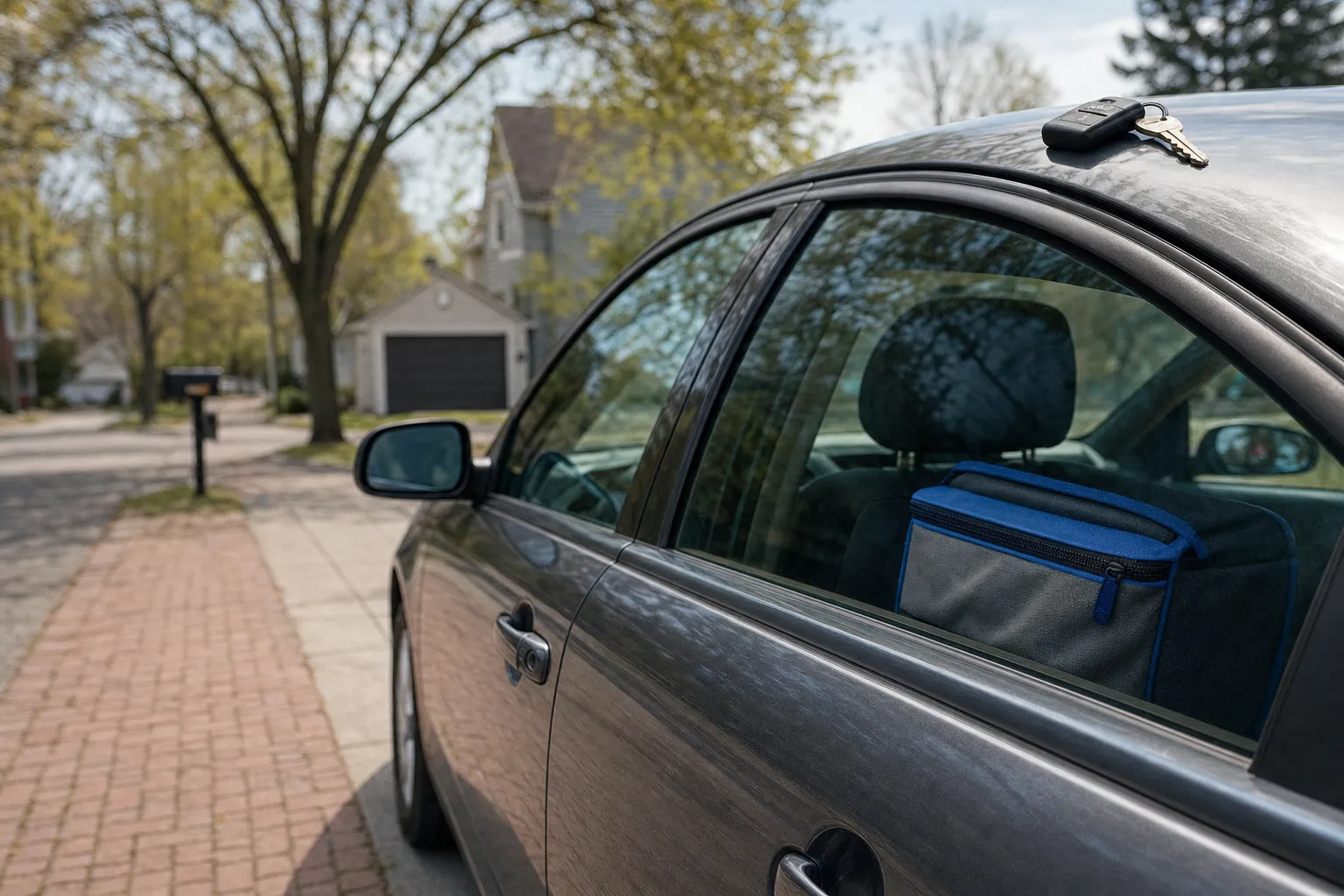
We help Fowler, Michigan drivers prepare for a car locksmith by gathering proof of ownership, noting the vehicle make and model, and staging the car and key in a safe, well lit spot so we can work efficiently. Those basic steps reduce the time on site and lower the chance of further key damage or programming errors.
What to have ready before we arrive
When you call for help, we can start faster if a few simple items are ready. Have these available when we arrive so we can assess the problem and choose the least invasive, most reliable repair or replacement method.
- Photo ID and vehicle ownership proof, such as registration or title.
- Exact vehicle make, model, year and VIN if you know it.
- The problem key or key fob, even if it is broken or unresponsive.
- A second set of keys or spares, if you have one, kept separate from the damaged key.
- A well lit, safe location for us to work, out of traffic if you are roadside.
- Notes about recent incidents, such as battery replacement, lock repairs, or water exposure.
Step by step: how to prepare while you wait
- Secure your vehicle. Park in a visible, low risk spot. Turn hazard lights on if you are on the side of the road and it is safe to do so.
- Gather identification and documents. Lay out your driver ID and vehicle registration where we can see them when we arrive.
- Find the key fob or broken key. Even a partially broken key can help us diagnose whether extraction or replacement is the correct next step.
- Move away loose key rings and heavy items. A key with a heavy key ring stresses the blade and increases the chance of breakage.
- Note the exact symptoms. Is the fob unresponsive, does the mechanical key not turn, or did the key snap in the lock? Brief notes speed diagnosis.
- Clear a workspace. If you are at home or a parking lot, clear a small area next to the vehicle where we can place tools and a clean tray for parts.
Pro tip: If you have a spare key, keep it off the same ring as the damaged key and bring it out separately. That prevents accidental stress on an already weakened blade.
Why each item matters to preventing key damage
Proof of ownership
We must verify ownership before performing key cutting, programming or extraction. Having your registration or title handy avoids delays. Verification also lets us document the vehicle for security and insurance purposes.
Vehicle make, model and VIN
Key blanks, transponder chips and programming procedures vary by make, model and year. Knowing the exact vehicle lets us bring the right equipment and replacement parts, which prevents wasted attempts that can damage ignition components or key blanks.
The damaged key or fob
Even when a key is broken, the fragments tell us whether the problem started with metal fatigue, a worn keyway, or a seized lock. That information guides whether extraction, filing, or a new key is the best option.
A safe, well lit work area
Working in poor light or while traffic passes increases the chance of dropped parts and rushed work that can lead to scratches, broken tumblers or lost transponder chips. A calm area helps us finish faster and with less risk to your vehicle.
Common pre service mistakes that increase key damage risk
- Forcing a stuck key to turn, which can snap the blade and damage the ignition.
- Pulling hard on a key that is already bent or cracked instead of supporting the key and trimming stress points.
- Leaving a heavy key ring attached during testing or initial attempts to turn the key.
- Replacing fob batteries without checking for water damage or a failing internal contact, which can mask the true issue.
Watch out: Do not try to drill out a broken key or disassemble the ignition yourself. Those actions often cause more extensive damage that must be repaired by a trained vehicle locksmith.
What we do on arrival and why we ask questions
When our technician arrives we follow a quick checklist to choose the safest method. We inspect the key and lock, confirm ownership, and explain the options and likely time on site. Our mobile setup allows us to do most work at your location, reducing the need to tow a vehicle.
Inspection and diagnosis
We look for visible damage to the key, worn lock tumblers, and electronic issues with key fobs or transponders. That diagnosis tells us whether to extract, rekey, cut a new key, or program a replacement fob.
Least invasive first
We always try non destructive methods before any cutting or ignition work. For example, a lubricated, careful extraction is preferable to forcing parts, which preserves original components and prevents secondary damage.
Transponder and key fob work
If your vehicle uses a transponder or push to start fob we test the fob battery and the vehicle signal. Some programming can be completed on site. Accurate vehicle data and the damaged fob help us avoid repeated programming attempts that risk corrupting key memory.
Quick checklist to read or print before you call
Before we arrive
- Gather photo ID and vehicle registration.
- Locate the damaged key and any spares.
- Move vehicle to a safe, well lit spot if possible.
- Remove heavy key chains from the key in question.
- Write down the exact symptoms and any recent repairs.
How to reduce future key damage
Preventing key damage is about routine habits and smart choices. We recommend these measures to our customers in Fowler and the Lansing area.
- Keep spares and use them for everyday tasks while keeping primary keys stored safely.
- Replace fob batteries before they fully die to avoid erratic behavior and repeated programming attempts.
- Use a lightweight key ring or key keeper to avoid excess torque on the blade.
- Have worn locks inspected by a professional rather than relying on force.
- Consider a professionally cut spare or a dealer style high security key if your vehicle requires one.
We cover East Lansing, Okemos, Holt, Mason and Grand Ledge and nearby communities from our base in Lansing. Our mobile technicians work on most makes and models and carry professional tools for safe extraction, key cutting and transponder programming.
When to choose a locksmith versus a dealer
A qualified mobile locksmith can often replace keys, extract broken pieces and program transponders at a lower cost and with faster response than a dealer. We handle emergency car lockouts, broken key extraction, key fob replacement and ignition repair on site. For complex manufacturer specific security systems a dealer may still be required, but we will tell you when that is the case.
Learn more about the practical steps to avoid being stranded in our guide to Car Lockout Prevention, and see our full mobile service list on the Car Locksmith page.
What we ask you to avoid before we arrive
These are common actions that make repairs harder or cause damage we must fix.
- Do not hammer the key or tamper with the lock housing.
- Do not use oil or solvent sprays inside electronic fobs or ignition cylinders.
- Do not attempt to glue a broken key; adhesive can contaminate the lock and make extraction harder.
Key takeaway
Preparing for a car locksmith in Fowler, Michigan means gathering ID and vehicle details, keeping the damaged key and any spare separate, staging a safe work area, and avoiding do it yourself fixes that can cause further damage. Those steps speed service and protect your vehicle components.
Frequently asked questions
What counts as acceptable proof of ownership when a locksmith arrives?
Acceptable proof typically includes a photo ID and the vehicle registration or title listing your name. We request these documents to verify ownership before performing key cutting, programming or extraction. If you lack registration but can show other proof, tell us when you call so we can advise.
Can you extract a broken key without damaging the lock?
Often yes. We use specialized extraction tools and techniques to remove broken key fragments with minimal disturbance to the lock. In some older or heavily corroded locks extraction can be less predictable, which we will explain on arrival.
Do you program transponder keys and push to start fobs on site?
Yes, our mobile technicians carry equipment to program many types of transponder keys and key fobs. Programming success depends on the vehicle make, model and year. Having the damaged fob and vehicle information ready improves the chance we complete programming on site.
What should I do if my key fob stops working suddenly?
Check the fob battery first and replace it if you can do so without opening the case. If the fob still fails, keep the fob dry and bring it out for inspection. Avoid attempting to open or dry the fob with heat sources, which can damage internal components.
How long will a typical on site key replacement take?
Times vary by task. Simple mechanical key cutting can take a few minutes, while transponder programming or ignition repairs take longer. Preparing documents, clearing a workspace and telling the technician the symptoms helps us give a more accurate time estimate on arrival.
Find our service and local information
Check our Google Business Profile for reviews and directions, and learn more about related topics and services on our site.