
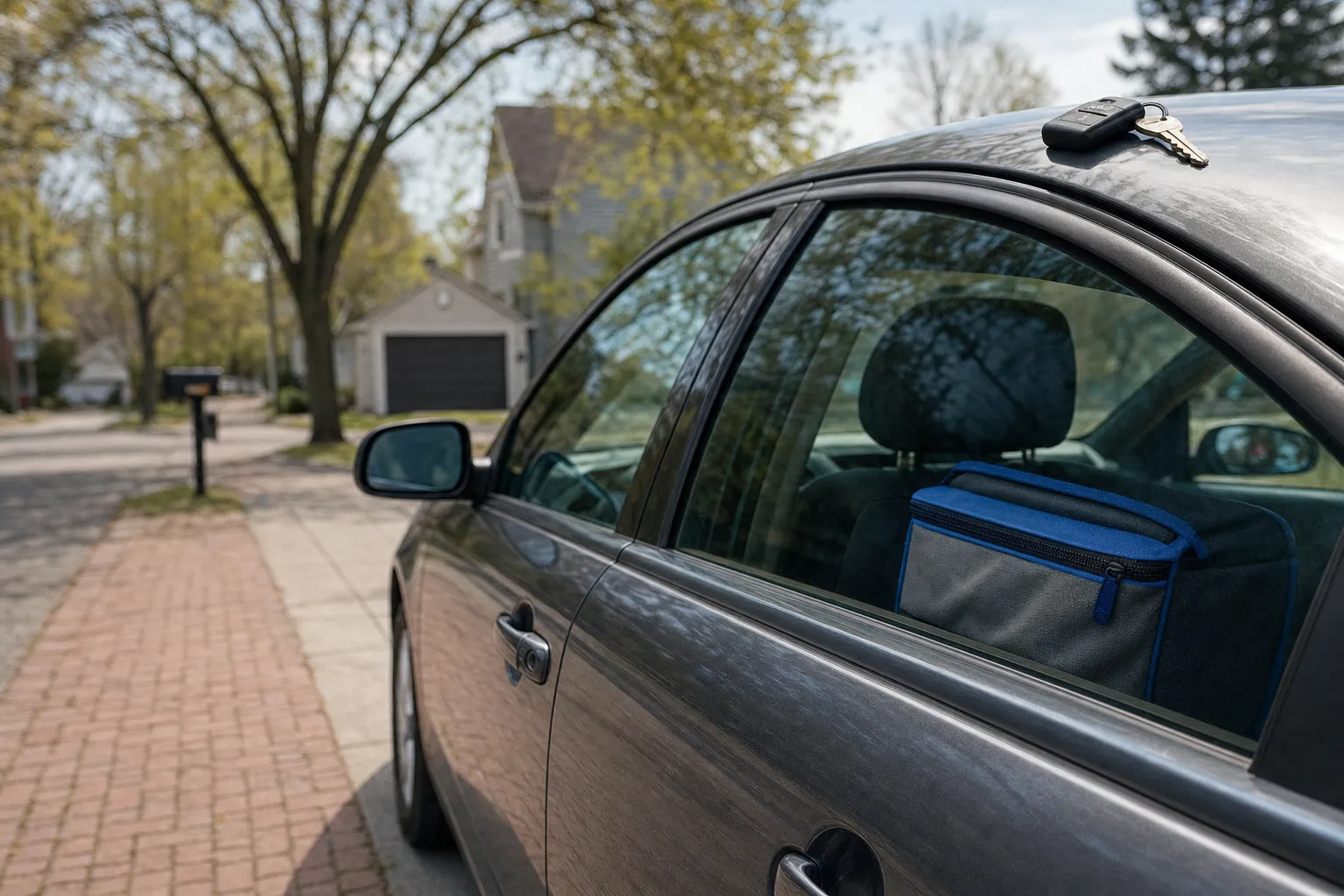
Quick answer, quoted so it is easy to repeat: rekeying is the right choice when the lock cylinder and housing are sound and you only need a new key or to prevent previous keys from working; replacing the lock is the right choice when parts are worn, damaged, missing, or when you need a different type of key system such as a transponder or push to start fob. We explain how to tell which applies to your vehicle and what to expect in Wacousta and the surrounding Lansing communities.
What rekeying and replacing locks mean for cars
Rekeying means changing the internal pins or wafers in a mechanical lock cylinder so old keys no longer turn it, while the same cylinder and outer hardware stay in the vehicle. Replacing a lock means removing the cylinder or the whole lock assembly and installing new hardware, which often requires a new key blank and in many modern cars, new programming.
For vehicles with electronic systems, rekeying refers to the mechanical portion only. If your car uses a transponder key or key fob, the new key may also need programming to start the engine. Our technicians handle both the mechanical rekey and the electronic programming when needed.
Why this matters for Wacousta and Lansing area drivers
Local weather, road salt, and everyday wear affect lock hardware. A cylinder that works fine in spring can seize or corrode through the Michigan winter. For drivers in Wacousta, Lansing, East Lansing, Okemos, Holt, Mason and Grand Ledge, choosing the right option avoids repeat trips to the shop, prevents roadside failures, and keeps your vehicle secure if keys are lost or compromised.
At Peace Locksmith Services LLC, Auto Locksmith is a mobile car locksmith based in Lansing with more than 15 years of experience. We work on most makes and models and serve drivers across the local area.
Key concepts to understand
- Cylinder versus assembly. The cylinder is the part that the mechanical key turns. The assembly includes the cylinder plus the housing, latch and linkages.
- Mechanical rekeying. Changing internal pin stacks or wafers so previous keys no longer work without replacing external parts.
- Full replacement. Installing a new cylinder or lock assembly and cutting or programming a new key system.
- Electronic compatibility. Transponder keys and key fobs often require programming after a new mechanical key is made or a lock is replaced.
- Security risk versus convenience. Rekeying keeps the existing hardware and can be faster. Replacing is often required when hardware is damaged or when upgrading to a different key type for better security or convenience.
Compare rekeying and replacing locks
| Factor | Rekeying | Replacing locks |
|---|---|---|
| When to choose | If the cylinder turns smoothly and parts are intact but you need to stop old keys from working | If the cylinder is cracked, corroded, missing parts, or you need a different key system |
| Security outcome | Restores control over which mechanical keys work | Resets the entire lock interface and may add newer security features |
| Time on site | Usually shorter, mechanical work only | Longer, may include removal, installation and electronic programming |
| Electronic keys | May still require transponder programming for new keys | Often requires new key blank and programming for transponder or fob systems |
| When not possible | Not recommended if internal parts are damaged or housing is seized | Required when rekeying cannot fix mechanical or security issues |
How we diagnose the right option
We follow a practical inspection process on site so you have clear choices. We do a mechanical check first, then consider key and vehicle electronics. You will hear the findings and the trade offs in plain language.
- Visual and mechanical check. Inspect the cylinder, housing and key for wear, corrosion, and broken parts.
- Key fit and function test. Try existing keys to confirm how they engage the mechanism and whether they turn smoothly.
- Electronic system check. Verify whether the vehicle uses a transponder chip or push to start system and whether a new key will need programming.
- Decision criteria. Recommend rekeying when hardware is sound, recommend replacement when parts are damaged or when security or key type requires it.
Checklist for deciding whether you need rekeying or replacement
Quick decision checklist
- If your key turns freely and the cylinder shows no cracks, rekeying is often enough
- If the key binds, breaks, or the cylinder wiggles in the door, plan for replacement
- If keys were lost or a vehicle was stolen, rekeying restores control quickly unless the hardware was damaged during the incident
- If you need a different key type or new electronic functionality, replacement plus programming may be required
Pro tip: If you plan to change ownership of a vehicle, rekeying before the transfer is an efficient way to ensure previous keys no longer work while keeping original hardware.
Common questions drivers ask
Below are the questions we hear most often from car owners, rideshare drivers, fleet managers, and drivers of used cars in the Lansing area.
- Will rekeying stop a lost key from starting my car? Rekeying addresses the mechanical lock only. If the lost key has a transponder that starts the engine, you will also need a replacement key and the transponder must be removed or reprogrammed from the vehicle system.
- Can any car be rekeyed? Many cars with traditional mechanical cylinders can be rekeyed. Late model vehicles that integrate keys into immobilizer electronics may require replacement plus programming. We evaluate compatibility during our inspection.
- Is replacing the lock better for security? Replacing the lock is a stronger step if the cylinder is damaged or you want to upgrade to newer hardware. It also gives you a clean starting point if keys have been widely distributed.
Related services we provide
Because many car key issues involve both mechanical and electronic systems, the following services are commonly part of the solution:
- Car Locksmith for mechanical rekeys and key cutting
- Key Fob Replacement when the vehicle uses a fob or push to start system
- Broken Key Extraction when fragments prevent rekeying or replacement without removal
Related locations and where we serve
We are based in Lansing and operate a mobile service that covers Wacousta and nearby communities. Drivers often call us when stranded in East Lansing, Okemos, Holt, Mason or Grand Ledge. For a broader list of locations we serve, see our Locations hub.
Helpful resources and further reading
For background on the trade and terminology, see the Locksmithing entry on Wikipedia. Vehicle owner manuals also list key types and programming notes for specific models, which helps determine whether programming will be required after a rekey or replacement.
Key takeaway
Rekeying is faster and works when the lock hardware is sound and you want to revoke old keys. Replace the lock when hardware is damaged or when you need a different key type or upgraded security. Our mobile technicians inspect the vehicle, explain the options, and can perform rekeying, replacement, and key programming on site.
Frequently asked questions
How long does rekeying a car lock take?
On a typical vehicle a mechanical rekey takes less time than a full replacement. The exact time depends on access, the model, and whether key programming is required. We evaluate and give an estimated time during the inspection.
Will a new key need programming after rekeying?
If the vehicle uses a transponder chip or a push to start system, the new key will usually require programming. Rekeying the mechanical cylinder does not change the vehicle immobilizer system by itself.
Can a locksmith rekey an ignition cylinder as well as a door lock?
Yes. Ignition cylinders and door cylinders can often be rekeyed to the same keying so you have one key for both. If the ignition is worn or damaged, replacement may be the safer option. See our topic pages on ignition warning signs and repair considerations for more detail.
What if the lock is frozen or corroded?
If corrosion or seizure has damaged internal parts, rekeying may not be possible. In that case we recommend replacing the cylinder or assembly to avoid repeated failures.
Next steps
Read customer reviews and get directions from our Google Business Profile to confirm service area and arrival details. For technical background and related topics, explore our topics and services pages on the site.