
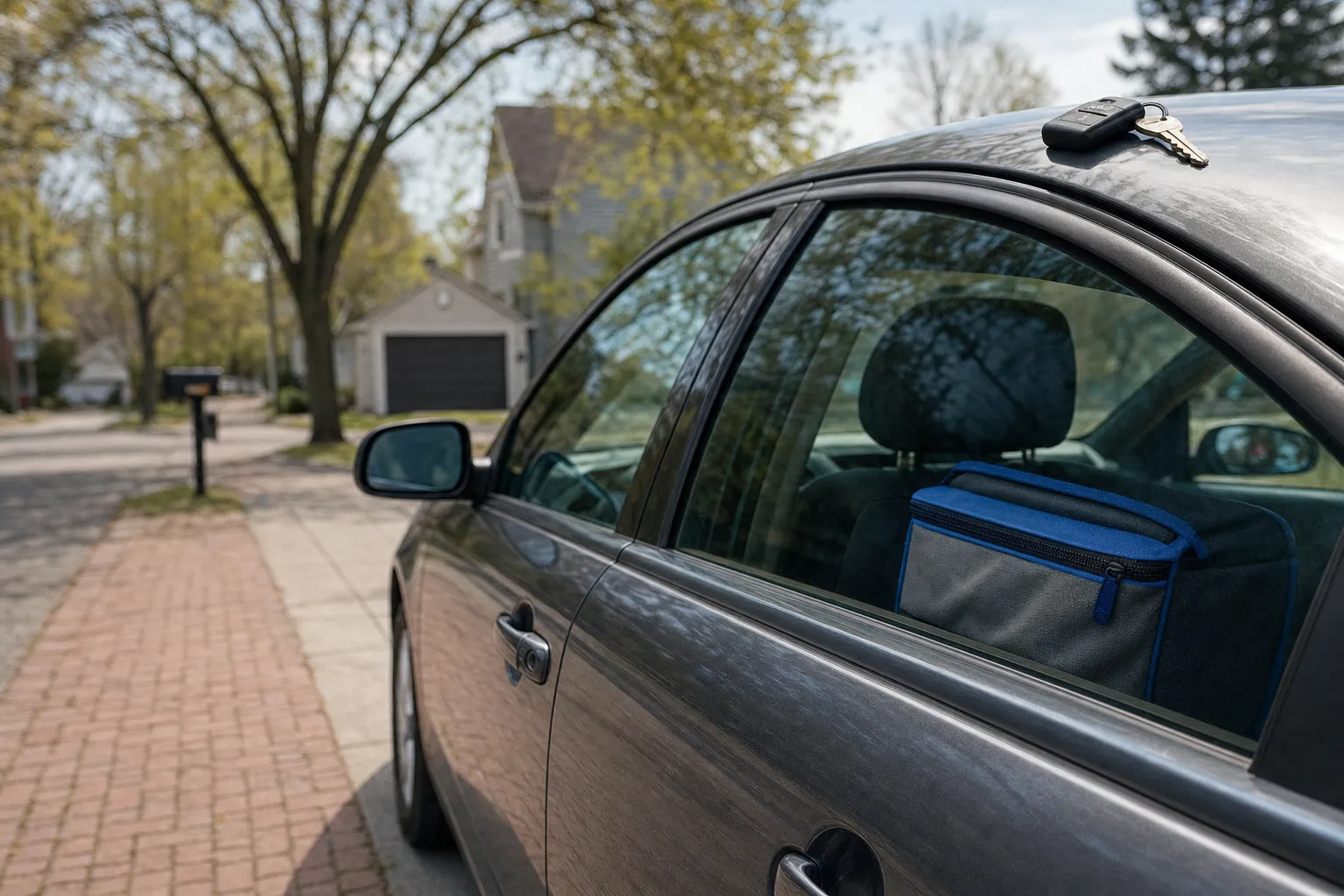
Vehicle lock type determines how we remove a broken key, what tools we use, and how likely the extraction is to damage the lock or ignition. In plain terms, a standard pin tumbler key usually comes out faster and cleaner than a laser cut or key embedded in a fob, and transponder systems add programming steps once access is restored.
What vehicle lock type means for broken key extraction
We begin with the basics. Vehicle locks and keys differ by profile, internal mechanism and electronics. Those differences drive the extraction method, the time it takes, and the precautions we take to protect the lock, ignition cylinder or key fob.
Common vehicle lock types we see around DeWitt and Lansing
- Standard blade keys with pin tumbler locks, common on older cars and many economy models.
- Wafer style locks, found on some older European and Asian vehicles.
- Laser cut or sidewinder keys, which have a deep, milled profile and are tougher to grip with standard extractors.
- Keys with integrated transponder chips, where the blade may break but the electronic chip remains inside a fob or the broken blade must be recovered without disturbing the transponder.
- Push to start systems, where the mechanical blade, if present, may be part of a remote or emergency key and extraction must avoid damaging the electronics.
Why lock type matters locally
Different neighborhoods and vehicle fleets in the Lansing area mean we see a wide mix of these lock types. Older cars in residential areas in DeWitt or Mason tend to have simpler mechanical locks, while commuter vehicles and fleet cars in East Lansing and Okemos more often use transponder or push to start systems.
That variation matters because it changes our response. A mobile extraction on a roadside in Holt may be straightforward when the lock is a standard blade. If the same job involves a modern push to start fob in Grand Ledge, we need different tools and extra steps to preserve programming and electronics.
Key concepts to understand before we start extraction
- Profile and grip. Laser cut keys have narrow, deep cuts that are hard to engage with generic extractors.
- Internal mechanism. Pin tumbler, wafer and sidebar locks all respond differently to manipulation and extraction tools.
- Transponder chips and programming. If a transponder chip is disrupted during extraction, the key may need reprogramming or a replacement transponder.
- Ignition versus door lock. Removing a broken key from an ignition cylinder carries higher risk of ignition damage than from a door lock.
- Corrosion and wear. Michigan weather can cause rusted or brittle keys and locks, changing how the key breaks and how fragile the remaining piece is.
How lock type changes our extraction approach
Below we outline, at a high level, how we approach common scenarios. We do not provide step by step instructions that would let you attempt technical extraction yourself.
- Standard blade keys. We first assess how much of the blade remains visible. If enough of the blade protrudes, a simple extractor or fine pliers can retrieve it with low risk to the lock. If the piece is flush, we use pick style tools to engage the fragment and remove it without rotating the core.
- Wafer locks. These require delicate handling to avoid loosening wafers or pushing fragments deeper. We may use thin extractors that match wafer geometry.
- Laser cut or sidewinder keys. The deep milling makes gripping the fragment difficult. We often combine precision picks with purpose built extractors. In some cases we remove the lock cylinder for controlled extraction to avoid damaging the lock.
- Transponder keys and fobs. When a mechanical blade is attached to an electronic fob, we protect the electronics first. If the transponder trips loose into the lock, we document its condition and advise on reprogramming if needed.
- Push to start systems. These systems rarely involve a full mechanical extraction, but when the emergency key or blade breaks, we remove the physical fragment while ensuring the fob remains functional.
What to expect during a professional extraction
When we perform a broken key extraction in DeWitt or nearby, we follow a predictable process so you know what will happen and why.
- We inspect the broken piece and lock to confirm type and fragility.
- We explain the extraction options and the risk of damage to the lock or ignition, in plain terms.
- We use tools matched to the key profile and lock mechanism.
- If removal risks further damage, we may recommend cylinder removal or replacement and explain tradeoffs.
- If a transponder or programming step is involved, we describe the programming needs once the blade is recovered.
Signs you need a professional broken key extraction
When to call a trained vehicle locksmith
- The key fractured at the shoulder or inside the ignition and you cannot see a usable edge to grab.
- Pushing or twisting makes the fragment move deeper or jams the lock.
- The vehicle uses a laser cut key, sidewinder blade, or an embedded transponder in the fob.
- The ignition shows signs of sticking, grinding or previous damage that could be worsened by amateur attempts.
- You are stranded on the roadside and need a mobile service to restore access safely.
Quick comparison of key types and extraction difficulty
| Key type | Typical extraction difficulty | Common concerns |
|---|---|---|
| Standard blade key | Low to moderate | May be brittle if corroded, usually removable without cylinder removal |
| Wafer lock key | Moderate | Thin fragments, risk of displacing wafers |
| Laser cut or sidewinder key | Moderate to high | Deep cuts make gripping difficult, possible cylinder removal |
| Key with transponder or integrated fob | Moderate to high | Protect electronics, potential reprogramming after extraction |
| Push to start emergency blade | Moderate | Avoid damaging the fob, preserve electronics |
Related services we provide
We handle broken key extraction as part of our vehicle locksmith offering, and we often work alongside other services depending on what we find.
- Broken Key Extraction, when a fragment must be removed from a door, trunk or ignition.
- Car Lockout Service, when access is the immediate priority and a broken key complicates entry.
- Key Fob Replacement and transponder programming, when the electronics are affected by a break.
Related locations we serve
We are based in Lansing and provide mobile service across the region. Common service areas include DeWitt, East Lansing, Okemos, Holt, Mason and Grand Ledge. For a full list of communities and directions, see our locations page.
Helpful resources and further reading
If you want to learn more about key types and vehicle security, our site covers topics such as Car Key Types, Key Extraction Signs, and Key Programming Compatibility. Those pages explain profiles, programming limits and what manufacturers typically require.
Common questions we hear about broken key extraction
Below are answers to the questions drivers ask most often. We keep them short so you can quote them if you need a quick explanation.
- Will extraction damage my lock? We evaluate risk up front. Simple breaks usually do not cause damage, but fragile locks, corroded parts, or complex profiles sometimes need cylinder removal to avoid harm.
- Is a laser cut key harder to remove than a standard key? Yes, laser cut and sidewinder keys are harder to grip and more likely to require specialized extractors or controlled cylinder removal.
- What if the transponder chip falls into the lock? If a chip detaches, we retrieve it when possible, and we explain whether reprogramming or a replacement fob is needed.
Frequently asked questions
How long does a broken key extraction usually take?
Most extractions from a door or trunk take 15 to 40 minutes, depending on visibility and key type. Ignition extractions can take longer if the cylinder must be removed or replaced.
Can you extract a key from an ignition without replacing the cylinder?
Often yes, but not always. If the ignition is worn or the fragment is lodged against the housing, cylinder removal or replacement may be the safer option.
Will you be able to program a replacement transponder on site?
We carry programming tools for many makes and models and can often program replacements on site. Compatibility varies, so we check the vehicle and explain options before any work.
What should I avoid doing after a key breaks?
Do not keep applying force to the remaining key or insert improvised tools. That can push fragments deeper or damage the lock. Instead, keep the vehicle secure and call a mobile locksmith who has the proper tools.
Key takeaway
Your vehicle lock type changes how we approach broken key extraction. Tell us the key type, whether the break is in the door or ignition, and any electronic features. That helps us choose the right tools, limit risk, and restore access quickly while protecting transponders and fobs.
Want to review our local work and directions
Check our Google Business Profile to read customer reviews and get directions, and browse related pages to learn more about key types and services in the Lansing area.