
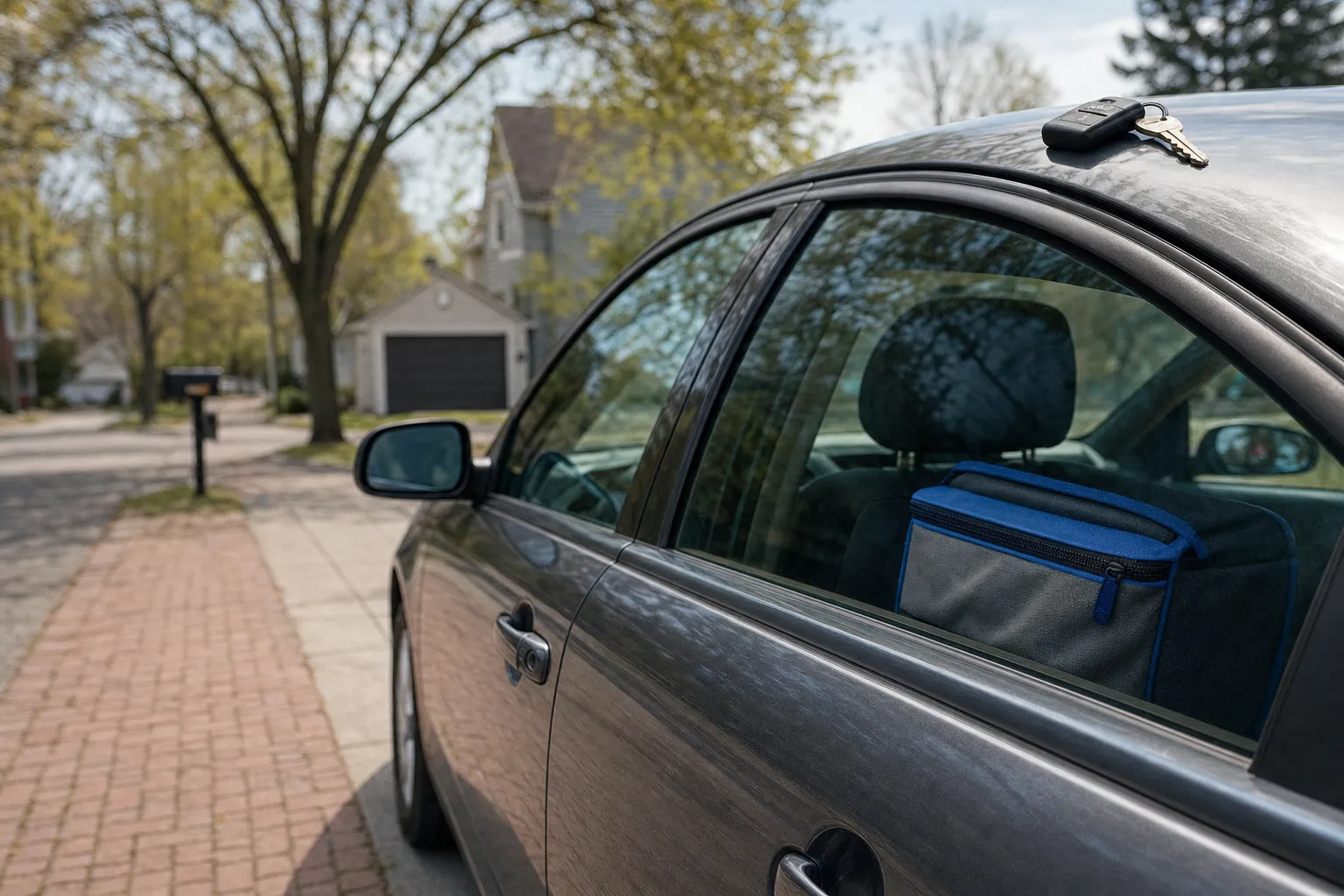
We define a strong broken key extraction plan as a clear, damage minimising process that removes the broken key, checks lock and ignition function, and sets up the next steps so you can get back on the road. In practice that means a careful inspection, the right tools for the key and lock type, controlled extraction technique, and verifying the vehicle starts or locks properly after the job.
Why a formal extraction plan matters
When a key breaks in a car lock or ignition, the immediate goal is access and safe operation. We make sure the broken key is removed without bending lock components or damaging an ignition, because avoidable damage often costs more and takes longer to fix than the extraction itself. A written plan or checklist keeps every extraction consistent, whether we are on a driveway in Waverly Michigan or on the roadside in Holt.
A plan also helps us communicate options to you. Some situations call for extraction only, some call for replacing a cylinder or reprogramming a transponder key afterwards. Outlining choices up front helps you make an informed decision without surprises.
Core elements of a reliable broken key extraction plan
- Initial inspection. We assess where the key fractured, whether any fragments are visible, and whether the key is in a door lock, trunk lock, or the ignition. This tells us which extraction tools and techniques are safe to use.
- Vehicle stabilization and access. We park safely, put the vehicle in park or neutral as needed, and secure the area. For roadside work we follow standard safety practices so the job does not create a hazard for you or passing traffic.
- Tool selection and protection. Different locks and key types need different tools. We stage fine extraction picks, micro grips, and one way pullers, and we protect trim and surrounding surfaces to prevent scratches or cosmetic damage.
- Controlled extraction technique. The actual pull out is steady and precise. We attempt to extract the key whole when possible. If the key is shredded or deeply embedded, we proceed with a method that preserves the lock and ignition for repair or replacement.
- Verification and function check. After extraction we test the lock cylinder, door latch, trunk release, or ignition start. If the vehicle uses a transponder key or a push to start fob we check electronic recognition and report any programming or fob issues.
- Next steps and documentation. We document what we removed, any damage observed, and recommended follow up such as spare keys, rekeying, or key fob replacement. That record makes later repairs and decisions easier for you and any shop that handles mechanical or electrical work.
Common broken key symptoms and what they mean
Broken key symptoms are signals we use to choose the right extraction approach. We watch for these typical signs.
- Key feels loose or wobbly before breaking, which often means worn teeth or a weakened shank.
- Key will not turn and snaps when torque is applied, a common ignition symptom.
- Only a stub of the key is visible inside the cylinder, indicating the fragment may be retrievable with fine grabs.
- Key teeth are lodged but the head is missing, suggesting extraction will require delicate pulling rather than drilling.
- Electronic symptoms after extraction, such as a vehicle not recognizing a transponder chip or a push to start system not responding, which point to programming or fob issues rather than mechanical damage.
For a fuller list of signs to watch for, see our page on broken key symptoms, which describes common patterns we encounter in Lansing area vehicles.
When extraction is the right choice and when it is not
Extraction is our first choice when the broken key is inside the cylinder or ignition and removing it will restore function without extensive parts replacement. Extraction is less likely to be appropriate when the key has damaged internal wafer pins, is fused to a broken spring, or when the ignition housing itself is cracked.
If extraction is risky, the alternatives include replacing the lock cylinder, replacing the ignition barrel, or in some cases fabricating a new key from the remaining fragment. We explain those tradeoffs and what to expect from each option before we proceed.
We cover Waverly Michigan and nearby communities including East Lansing, Okemos, Holt, Mason, and Grand Ledge, so our mobile team can often perform an on the spot assessment and either extract the key or recommend a repair shop when replacement is required.
Prevention checklist for drivers
- Keep a spare key in a safe place to avoid repeated wear on a single key.
- Have keys copied by a professional rather than a low cost machine that may overcut teeth.
- Avoid bending or using excessive force on a stubborn lock, which weakens the key over time.
- Replace worn keys before a long trip or cold weather that can increase brittleness.
Pro tip: If a key shows visible wear or feels loose, bring a spare to a locksmith or have a duplicate made. Replacing the key proactively is usually faster and less expensive than an emergency extraction.
Watch out: Do not attempt to drill out a key or force it out with improvised tools. That often damages the cylinder or ignition and can lead to a longer repair involving part replacement.
What we do during a broken key extraction at the roadside or at home
Our team brings professional extraction tools and experience with most vehicle makes and models. With more than 15 years of experience we follow the steps in the plan while keeping vehicle finish and system integrity top of mind.
Typical procedure we follow includes a quick diagnostic, protecting trim, using the appropriate micro tool to grip the fragment, performing a controlled extraction, then testing the lock or ignition. If a transponder key is involved we check for electronic recognition and advise on key programming if needed.
For services beyond extraction such as replacing a lost fob or programming a new transponder, see our Broken Key Extraction service page and our pages about Key Fob Replacement and vehicle locksmith services.
Key takeaway
A strong broken key extraction plan focuses on safe removal, protecting locks and ignition components, verifying vehicle function after the job, and documenting next steps. That approach reduces follow up repairs and gets you back on the road sooner.
Frequently asked questions
How long does a typical broken key extraction take?
Most extractions take anywhere from a few minutes to about half an hour. Time depends on how much of the key is accessible, the type of lock or ignition, and whether electronic checks or programming are needed after removal.
Can you extract a transponder key without affecting the chip?
Yes. The mechanical portion of a transponder key can usually be removed without harming the electronic chip, since the chip sits in the plastic head. We test the key recognition after extraction and advise on programming if the vehicle does not detect the transponder.
Will extraction harm my ignition or door lock?
When performed with the right tools and technique, extraction should not harm a lock or ignition. Our plan emphasizes protecting the cylinder and surrounding trim. If damage is already present or extraction would cause further harm, we recommend replacement and explain the reasons.
What if only a tiny piece of key is left inside?
Small fragments are often retrievable with micro tools. If a fragment is deep or fused to internal parts extraction becomes more complex and we may recommend replacing the cylinder or ignition to ensure reliable operation.
Do you serve Waverly Michigan for roadside extractions?
Yes. Our mobile auto locksmith team is based in Lansing and covers Waverly Michigan along with East Lansing, Okemos, Holt, Mason, Grand Ledge and nearby communities. We come to your location for emergency and non emergency jobs.
Find our Google Business Profile and learn more
Read customer reviews and get directions on our Google Business Profile to see how we handle broken key situations in the Lansing area. To learn more about related topics and services, visit our topics and services pages for details on spare keys, key programming, and lockout response.